

Why the Bay Area Housing Market Won’t Crash
If you’ve been looking at the Bay Area housing market lately, the sentiment might feel eerily familiar.
We’ve got record-high home prices, a stock market driven heavily by a booming AI tech sector, waves of corporate layoffs, skyrocketing inflation, and mortgage rates hovering over 6%. It feels a lot like 2007 right before the subprime mortgage bubble burst, triggering the Great Recession.
But if you are sitting on the sidelines waiting for home prices to crater so you can finally buy a house, I would say that A housing crash isn’t coming.
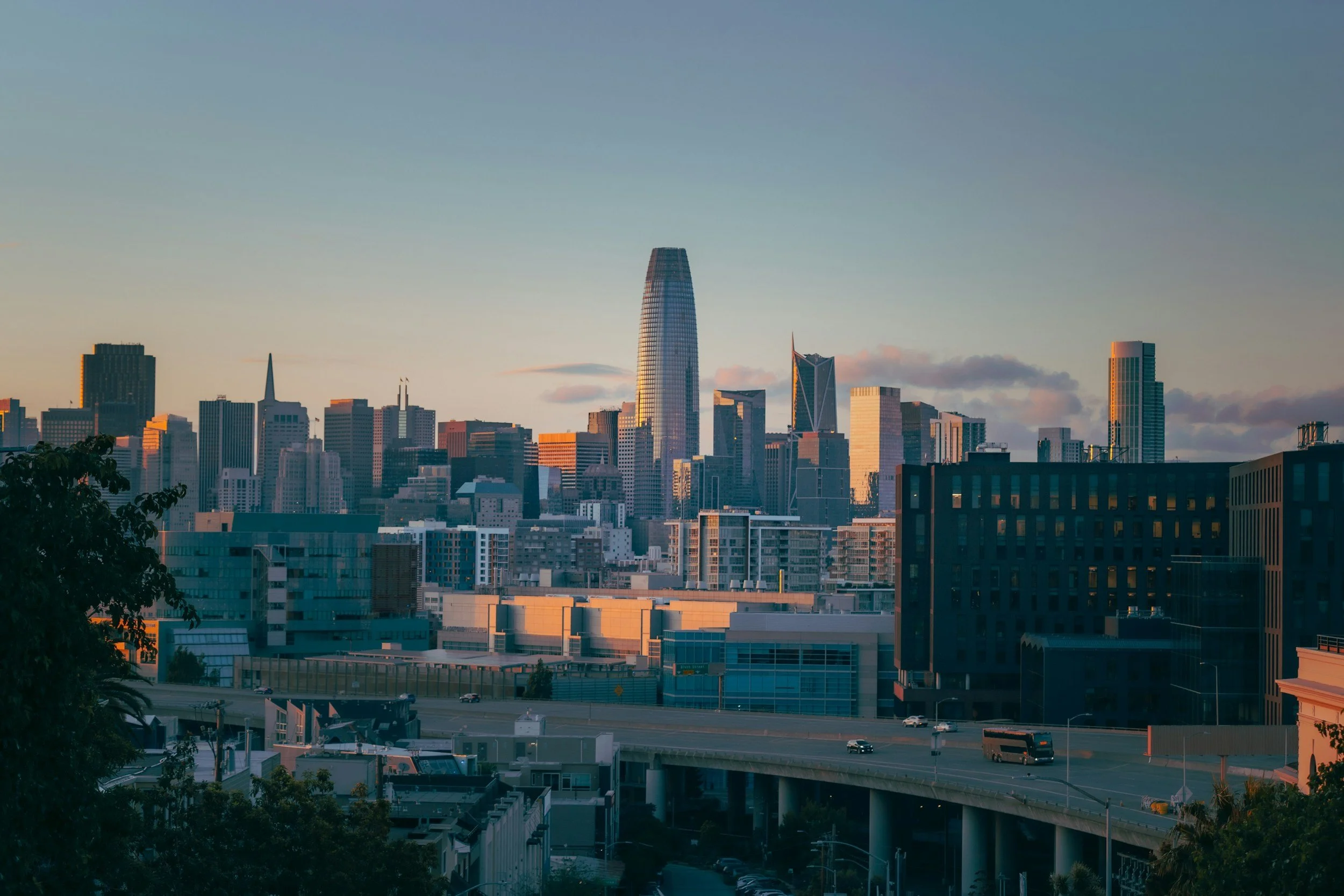
The 3 Reasons a 2008-Style Crash is unlikely
The mid-2000s housing crash happened because the entire financial system was built on bad math. Today's market rules are entirely different, driven by three major factors:
1. Homeowners have with Equity
Back in 2008, millions of buyers took out predatory loans with "teaser rates" or balloon payments without putting any money down. When prices dipped slightly, they instantly went underwater (owing more than the home was worth) and foreclosed.
Today, buyers are heavily insulated. Most homeowners put down at least 20%, and equity skyrocketed at record-breaking speeds during the pandemic. Because owners have a massive financial cushion, they aren't in distress and have zero pressure to sell at a loss.
2. The "Golden Handcuffs" Effect
Most current homeowners are locked into record-low mortgage rates around 3% from the pandemic era.
If they were to sell their current home and buy an identical one at today’s ~6.3% rates, they would spend roughly $1,000 more per month just to live in a house of the exact same value. Unless they absolutely have to move for a major life event, homeowners are choosing to stay put, keeping inventory incredibly tight.
3. California’s Built-In Protections (Prop 13)
In states like Texas or Florida, property taxes rise alongside home values, which sometimes forces owners to sell if they can no longer afford the taxes. In California, Proposition 13 locks in property tax bases, giving local homeowners yet another massive financial incentive to never give up their properties.
What a "Crash" Actually Looks Like Today (Comparing Austin vs. Bay Area Story)
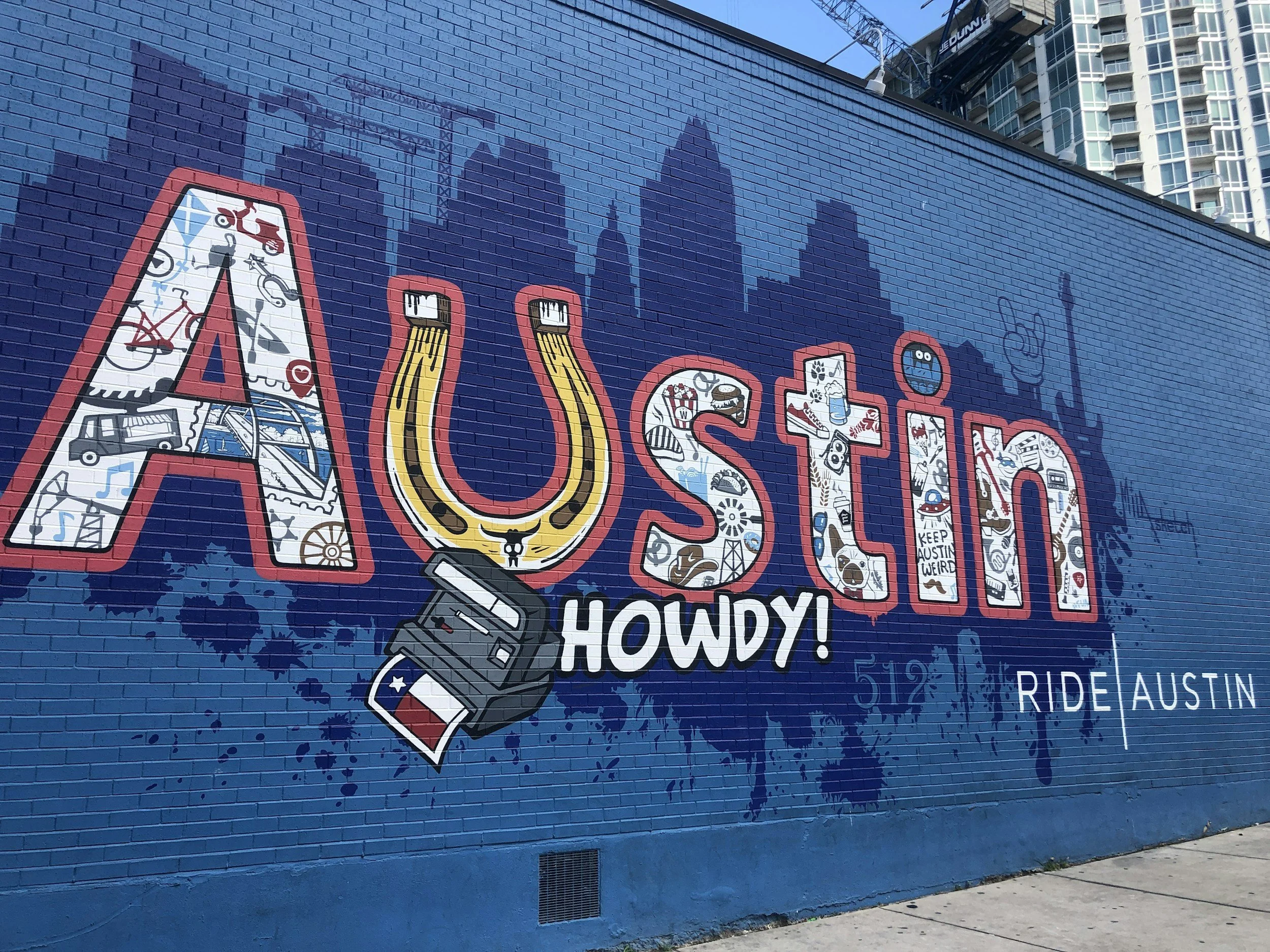
Austin experienced a massive flush of new inventory during the pandemic boom. Builders rushed to construct new homes, which eventually created a surplus of supply. When demand cooled, builders had to aggressively slash prices to move those units, causing median home prices to drop 23% from their peak. It was a true, localized price correction driven by an abundance of options for buyers.
The Bay Area, however, is facing the exact opposite reality: a chronic lack of housing inventory.
California cities simply haven’t built enough dense housing over the last 15 years to keep up with demand. Because there is no flood of new supply forcing their hands, local sellers who don't get their target price are simply pulling their homes off the market rather than cutting deals.
What Should First-Time Buyers Do Next?
If prices aren't going to plummet, what's the game plan for hopeful buyers? Without a major recession to force the Federal Reserve to slash interest rates, we are looking at a multi-year period where home prices will simply grow slower than inflation.
Over the next 5 to 10 years, homes will technically become more affordable in "real terms" as wages slowly catch up to prices—but it will be a long, slow grind.
The Takeaway: There is no penalty for waiting, but there is also no reward for holding out for a crash. If you find a home you love and you can comfortably afford the monthly payment at today's rates, go for it. If you're priced out, utilize stable rent prices to aggressively save your cash, and keep an eye on the Federal Reserve for any future rate cuts.
