

BMR’s - Your Guide to Affordable Housing in SF
San Francisco's housing market has rules built into it that most buyers never learn about. One of the most significant: by law, a portion of units in new residential developments must be set aside for income-qualified households — creating real opportunities for buyers who understand the system.
New buildings are required to include affordable housing.
Since 2002, the City's Inclusionary Housing Program has required any new residential project with 10 or more units to contribute to San Francisco's affordable housing supply — a mandate governed by Planning Code Section 415. Developers can comply in one of three ways: reserve a percentage of units as Below Market Rate (BMR) housing within the building, provide affordable units at a separate off-site location, or pay an in-lieu fee to the City.
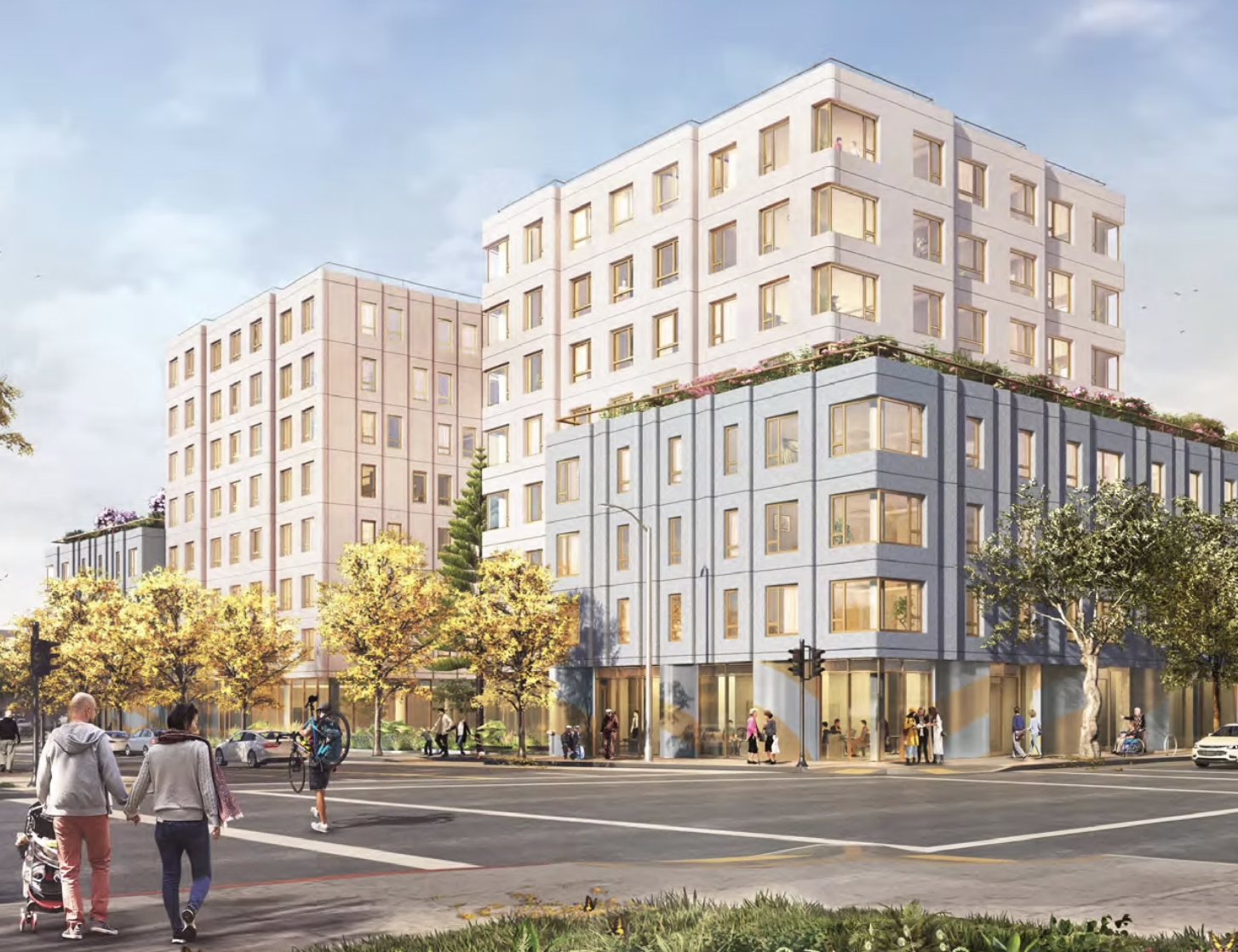
The result is that a meaningful percentage of units in new buildings are priced below market and restricted to households within specific income brackets — often permanently. At 730 Stanyan Street, BMR units are distributed throughout the building alongside market-rate units, not isolated in a separate section. That's how the program is designed to work: affordable housing integrated into the fabric of new development, not an afterthought.
How the Affordable Housing Lottery Works
San Francisco doesn't assign BMR units on a first-come, first-served basis — it uses a public lottery system to keep the process fair and transparent. Here's what the process looks like as a buyer:
Apply Online — Submit your income documentation and household details through the City's DAHLIA housing portal when a new lottery opens.
Qualify by Income — Each unit is tied to a specific income range, typically between 55% and 120% of Area Median Income (AMI), depending on the unit type. In 2024, San Francisco's median income was $104,900 for an individual and $149,850 for a family of four. You can check exactly where your household falls using the City's AMI lookup tool or the 2025 AMI chart.
Enter the Lottery — A random lottery ranks all eligible applicants. Higher-ranked applicants are contacted first. More Details on the lottery here
Move to Purchase — If selected, you verify income and eligibility, then proceed with purchase paperwork. If you don't qualify at that stage, the opportunity passes to the next person on the list. Once the lottery pool is exhausted, remaining units move to a first-come, first-served waitlist — so even if you don't place well in the lottery, staying engaged matters.
Competition is intense — thousands of applicants often compete for a handful of units. But for income-qualified buyers, this is one of the few pathways to homeownership in San Francisco at a below-market price point.
What This Means If You're Buying in SF
Whether you're shopping at market rate or exploring BMR options, here's what every buyer should understand:
Every new development contributes to the city's affordability system — it affects inventory, pricing, and competition in your target neighborhoods
BMR units are integrated into market-rate buildings, meaning the same amenities and locations as full-price units
The lottery is the only way in — there's no shortcut or waitlist you can pay your way onto
Mixed-income buildings like 730 Stanyan are becoming the norm, not the exception
What to Know When Selling a BMR Home
BMR homes come with resale guidelines designed to keep the unit affordable for future buyers. If you decide to sell, here are a few things to keep in mind:
1. The resale price is set by the City
BMR homes can’t be sold at full market value. Instead, the maximum resale price is determined using a formula tied to Area Median Income (AMI), which keeps the home affordable for the next buyer.
2. You can still build equity
Even with price limits, most owners are able to sell for more than their original purchase price. The program allows for appreciation over time, and in some cases approved improvements can be factored into the resale price.
3. The process can take longer than a traditional sale
Because the next buyer must qualify for the program and be selected through the City’s housing system, closing timelines can be longer than a typical home sale and may take several months.
