

The IPO Pipeline Is Quietly Building a New Liquidity Cycle for SF Real Estate
A new wave of private market liquidity is forming beneath the surface of the tech ecosystem. Roughly $3 trillion in private company value across 23 firms is now positioned, directly or indirectly, for future IPO pathways heading into 2026.
While the headlines focus on product launches and funding rounds, the more important signal is this: the IPO market is re-opening at scale.
And historically, when that happens in tech-driven cities like San Francisco, real estate responds.

The IPO Pipeline Is Already in Motion
Several companies have already filed or entered roadshow preparation stages, signaling that the IPO window is no longer theoretical—it is active.
Notable names include:
SpaceX — ~$1.75T valuation (targeting H2 2026 potential window)
Cerebras — ~$22B (April 2026 filing timeline)
Quantinuum — ~$20B
X-Energy — filed March 2026
OpenAI — ~$852B
Anthropic — ~$380B
Revolut — ~$75B
Plaid — ~$8B
Stripe — $159B
Databricks — $134B
Canva — $42B
Oura — $5B
This early stage of filings matters because it typically precedes broader liquidity cycles, not follows them.
These names matter not just for their scale, but for their concentration of employee wealth and secondary market activity already occurring today.
Why This Matters for San Francisco Real Estate
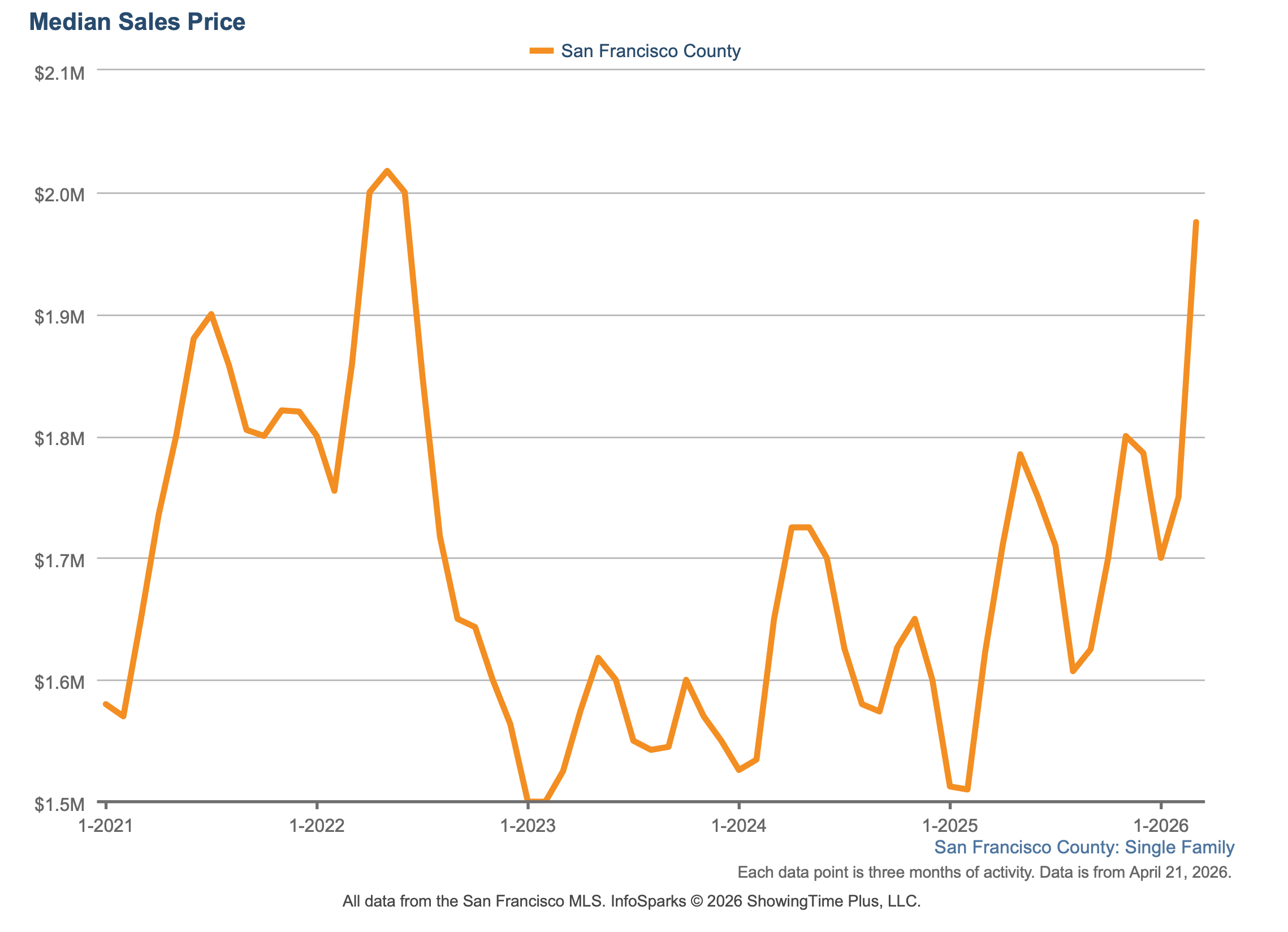
San Francisco single-family home prices are already near or at record highs from 2022, even before any meaningful IPO liquidity has fully hit the market.
(See chart Below)
That distinction is important:
the housing market is not waiting for IPOs—it is pricing in anticipation of them.
What we’re seeing is early absorption driven by existing tech wealth, not future liquidity events.
Condos Are Tightening Faster Than Expected
One of the more subtle but important shifts is happening in the condo segment.
Days on market are down year-over-year
Inventory is being absorbed more quickly
Entry-level SF housing is becoming more competitive
This typically signals early-stage demand expansion rather than late-cycle exhaustion.
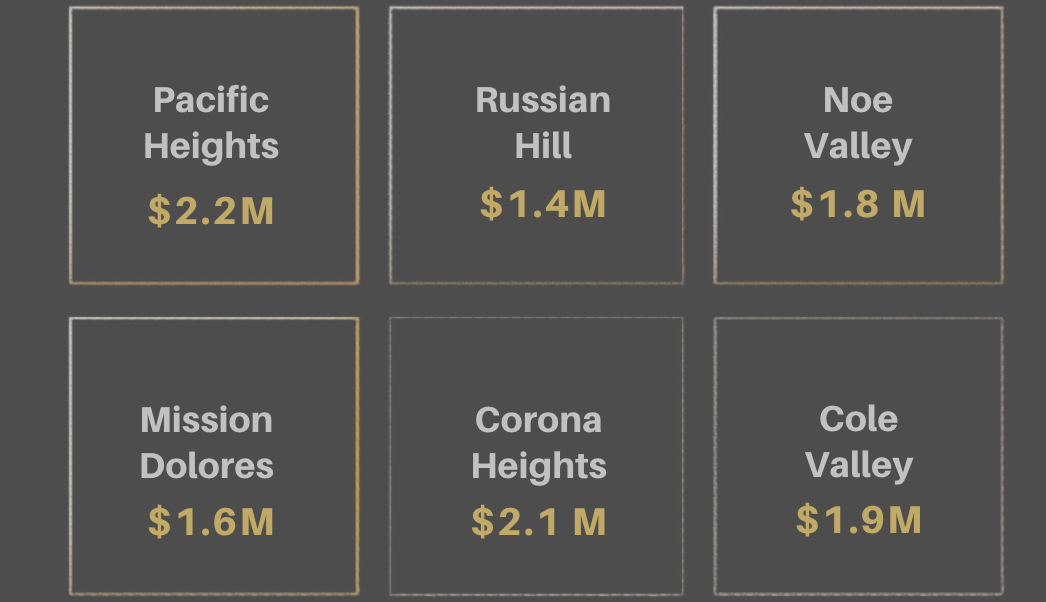
Median Condo Prices
In liquidity-driven cycles, condos often act as the first point of absorption:
Entry-level ownership for newly liquid tech buyers
First purchase before upgrading into single-family homes
A “step-in” asset for newly realized wealth
This segment tends to move first—and fastest—when liquidity expands.

How IPO Wealth Flows Into Housing
When IPO cycles accelerate, liquidity doesn’t stay on paper—it moves into tangible assets.
Historically, this creates:
Larger down payments
More all-cash or heavily cash-weighted offers
Faster offer timelines
Increased competition at entry and mid-tier price points
San Francisco, more than most markets, is directly exposed to this mechanism due to its concentration of late-stage tech wealth.
Final Thoughts
San Francisco real estate is once again closely tied to tech liquidity cycles. If you are tracking IPO filings, late-stage private valuations, or secondary market activity—you are already tracking the future direction of housing demand in this city. The IPO window is not a distant event. It is forming now.
And real estate is often one of the first markets to reflect it.
