

How’s the Condo Market in 2026? Here’s what you need to know.
Is the SF condo market really as dead as people say? The answer is yes depending on the neighborhood. But when you remove those neighborhoods youll find a completely different story.
Almost all of the extra condo inventory is coming from one select group of neighborhoods. Take that pocket out of the numbers and the picture looks completely different.
San Francisco has split into two entirely different economies. One is a buyer's paradise of untapped value. The other is a white-hot competitive arena where condos sell faster than single-family homes.
Active units in SoMa, South Beach, and the downtown neighborhoods. Inventory is stacking up, creating real leverage for strategic buyers.
SoMa · South Beach · Financial District · Mission BayActive units in Pacific Heights and the Marina. 6× less inventory than downtown. Bidding wars are the norm, not the exception.
Pacific Heights · Marina · Cow Hollow · Russian HillSupply & Demand: The Only Thing That Drives Price
District 9 has six times the inventory of District 7. But in pending sales — homes currently in contract — District 9 is only driving double the transactions. That means District 7 is converting inventory into sales at roughly three times the rate.
This isn't speculation. This is supply and demand doing exactly what it always does. Low supply in the central and northern neighborhoods is pushing prices up. Excess supply downtown is creating negotiating room that hasn't existed in years.

The architectural divide mirrors the market divide — polished steel vs. century-old character
The "Why" Behind the Split
The shift started five years ago with remote work. Nobody wanted to be downtown anymore. Nobody needed their offices. So they left — into the traditional neighborhoods of San Francisco, or out of the city entirely. 90% of the people who left stayed in California.
What's happening now is a fundamental repricing of what "location" means. Buyers aren't purchasing the four walls. They're buying what's walkable — the coffee shop, the restaurant, the park, the neighborhood culture. And that's found in communities over a hundred years old, not in downtown high-rises.
A 125-year-old flat with shared laundry and no parking can cost the same per square foot — sometimes more — than a brand-new tower with bay views, a rooftop pool, and valet parking. And buyers are still choosing the older building.
Three Reasons Downtown Condos Are Sitting
1. Remote & Hybrid Work
Before 2020, paying a premium to live walking distance from your SoMa office was a no-brainer. Now, if you're only going in one or two days a week, the math completely changes. The buyer pool for downtown high-rises has gotten significantly smaller.
2. HOA Fees Stack Up
Buyers in these buildings pay an extra $1,000–$2,000 per month on top of their mortgage. When you add that to already rate-sensitive financing, the numbers get very high, very fast. That sensitivity is suppressing demand.
3. Lifestyle Shift
Many people who left San Francisco during the remote-work era never wanted to be here in the first place — they were just here for their jobs. Downtown's remaining buyer pool is very specific: someone who genuinely wants hotel-style amenities and needs to be in the office five days a week.
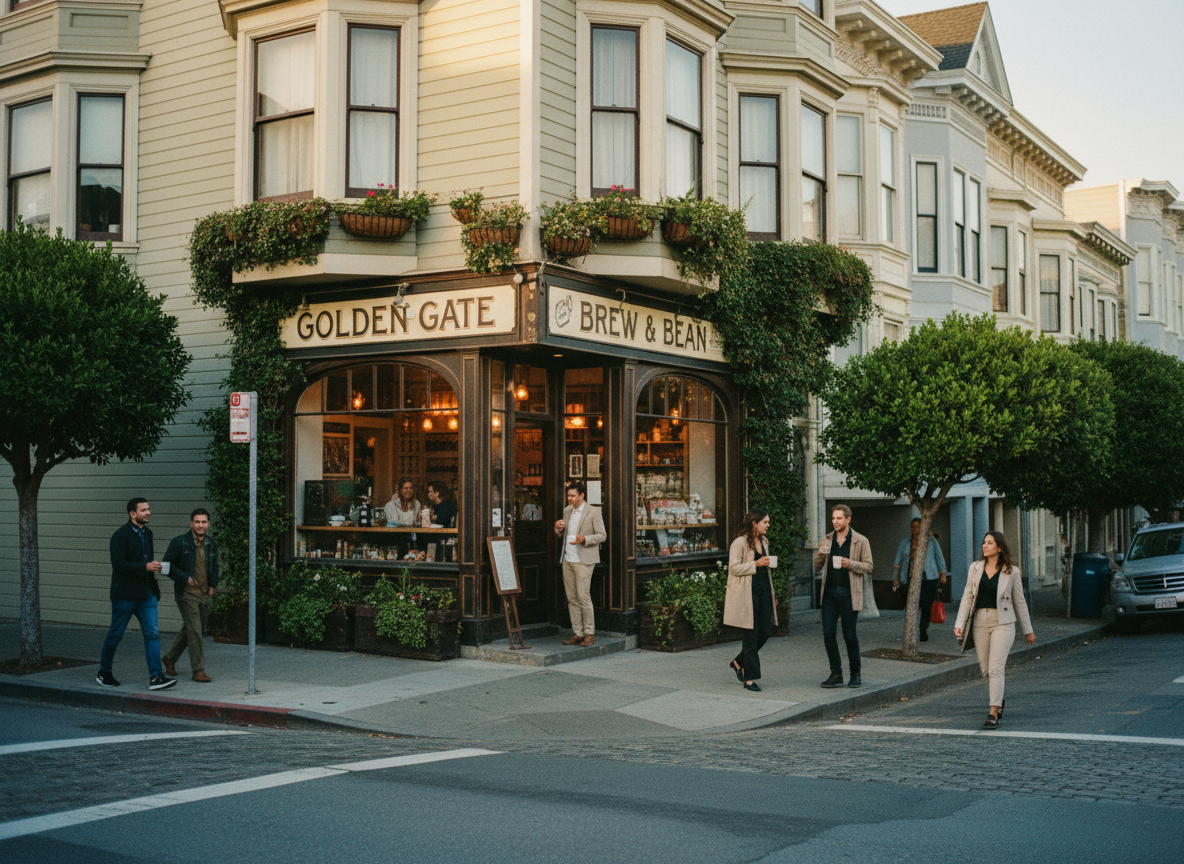
Buyers are paying for what's outside the four walls — walkability, culture, neighborhood energy
The Bigger Picture
There are currently 483 active condos in San Francisco compared to only 198 single-family homes. Remove the downtown listings and the condos in the central and northern neighborhoods are just as rare — and just as desirable — as single-family homes. They're just selling for significantly less.
Meanwhile, Marin and San Mateo counties have over double the total active listings that San Francisco has. Low supply inside the city is a structural advantage that keeps driving prices.
San Francisco real estate goes up 6% on average annually — double the national average. Every technology wave has come through this city first. If you're waiting for the market to cool off, you might be waiting while it moves past you.
Your Playbook
If you're targeting downtown condos — SoMa, South Beach, Mission Bay — this is a buyer's market. You have time, you have leverage, and there is negotiating room that doesn't exist in most other parts of the city.
Sellers downtown are flexible. Ask for concessions that were off the table a few years ago: seller credits, buying down your rate, or having the seller cover your first year or two of HOA dues. Point to days on market for similar units and make a data-backed, reasonable case.
If you're targeting Pacific Heights, Nob Hill, Noe Valley, or Cow Hollow — treat this exactly like a single-family home market. Be fully underwritten before you tour. List price is a starting bid, not a finish line. Some condos sell 10–40% over asking.
The single most expensive mistake buyers make right now is treating the San Francisco market like one thing. A downtown strategy in Pac Heights will cost you — and a Pac Heights strategy downtown will leave money on the table.
Three non-negotiables: price it with data, stage it properly, and invest in the right renovations.
If comparable units in your building sat for six weeks and sold at or slightly below list — those units were priced too high. Adjust accordingly. In the desirable neighborhoods, study homes that sold after one or two weekends and the percentage they went over list.
Staging isn't a $2–3K job anymore. Expect to invest $8–10K. Presentation separates a sale that happens in days from one that lingers for months.
My team brings in a full-time designer, walks the property, recommends specific renovations, project-manages the contractors, and fronts all costs. Clients pay back dollar-for-dollar only after the home sells — no interest, no fees.
San Francisco real estate appreciates at roughly 6% annually — double the national average. While headlines fixate on short-term dips, the structural fundamentals haven't changed.
The AI boom is filling offices and adding high-income demand. The return-to-office movement is accelerating. And 90% of the people who left San Francisco stayed in California — many are already coming back.
For first-time buyers: the best time to buy was yesterday. You're currently paying a 100% interest rate to your landlord. Your goal isn't to leap from renting to your dream home — it's to get in, build equity for 3–5 years, and use that as a launchpad.
The current administration is working to remove the $500K tax-free capital gains cap on home sales. Pay attention to what any administration is doing to the housing market.
Don't think you need to go from renting to your dream home in one step. It rarely happens. Your goal right now should be to stop making your landlord's family rich and get into an asset that appreciates.
Focus on three things: Can I afford the monthly payment? Do I have enough for a down payment to adjust that monthly number? Do my expectations match my budget?
Live in it for two to five years. Build equity. Remember — couples get the first $500K of profit tax-free. Take that equity and use it as a down payment for the upgrade.
In this market, you also need to be fully underwritten — not just preapproved. Sellers expect disclosure packets reviewed and 14-day closes. Come prepared.
Ready to navigate the split? Let’s Connect.
