

Permitted vs. Unpermitted Work in SF — What Every Buyer Needs to Know
San Francisco is full of beautiful homes that have been renovated, expanded, and remodeled over the decades. But not all of that work was done with the City's blessing — and if you're buying, knowing the difference between permitted and unpermitted work could save you from a very expensive surprise.
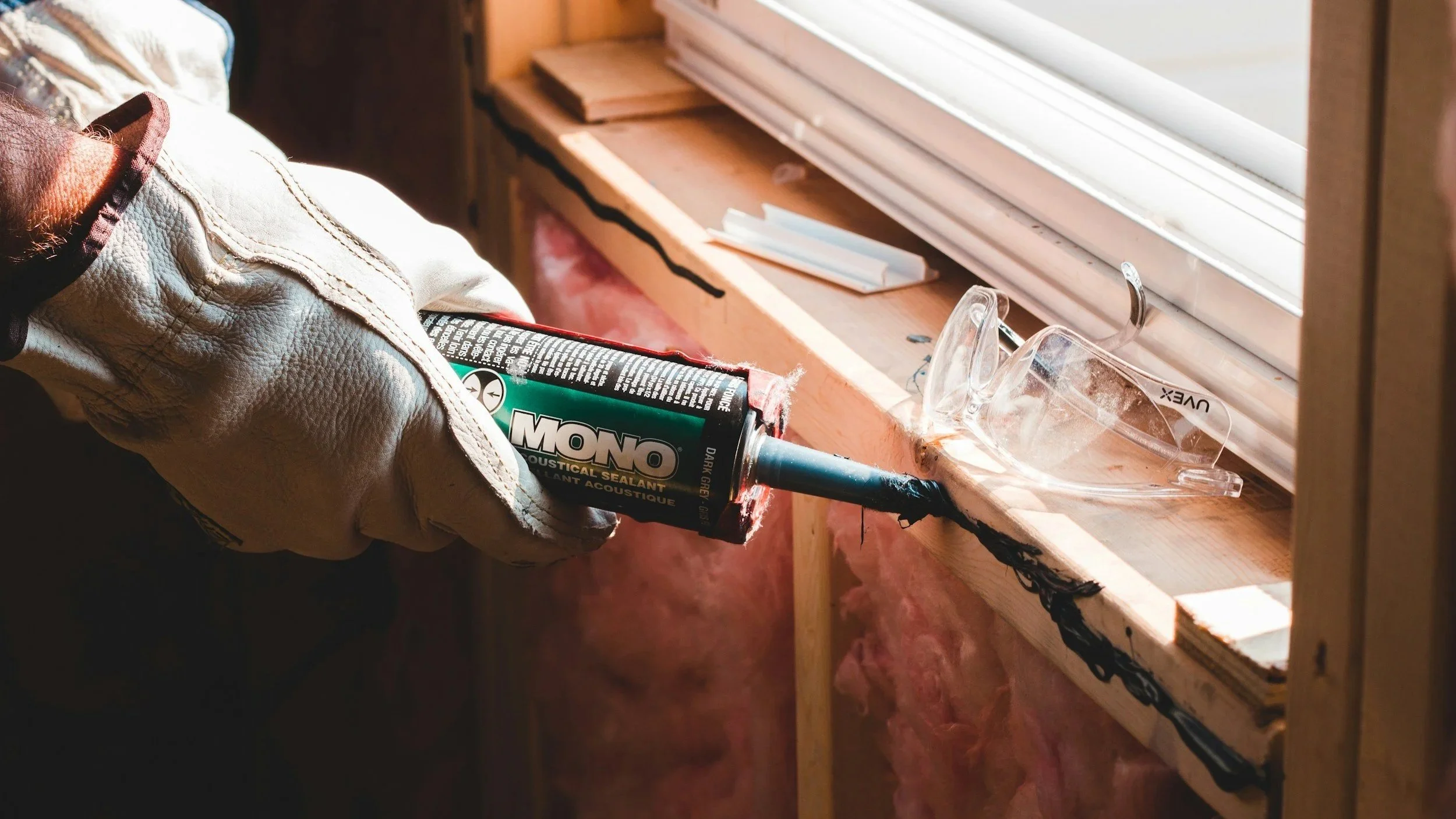
What Counts as "Permitted" Work?
In San Francisco, the Department of Building Inspection (DBI) requires a building permit for most construction — and the bar is lower than most people think. Kitchen remodels, bathroom renovations, electrical rewiring, plumbing changes, adding or removing walls, window replacements, deck construction, reroofing — all of these require permits.
Even work that seems minor, like moving a sink or installing new wiring, technically needs City approval. The permit process exists to make sure the work meets current building codes and passes a safety inspection before it's signed off.
When work is properly permitted, there's a paper trail: the permit application, the approved plans, and the final inspection sign-off. That paper trail protects everyone — especially the next buyer.
Not All Permits Are Created Equal
One thing worth understanding: San Francisco has different types of permits, and they don't all carry the same weight.
Building permits cover structural and layout changes — adding or removing walls, changing floor plans, building additions. These are what show up on the 3R Report.
Electrical and plumbing permits are separate, and in many ways they're the ones that matter most. Faulty electrical work is a fire hazard. Bad plumbing can cause water damage, mold, and foundation issues. These are the systems that can quietly cause serious problems years after the work was done — and they're the ones most commonly skipped by DIYers and unlicensed contractors. When I'm reviewing a property with a client, electrical and plumbing permit history is where I look first.
Over-the-Counter (OTC) permits are worth knowing about because the City has made them significantly easier to get. OTC permits are designed for routine projects — kitchen and bathroom remodels, reroofing, window and door replacements, deck construction, fencing, seismic upgrades, and other common residential work. The requirements are stripped down compared to a full in-house review: you can walk into the Permit Center at 49 South Van Ness, submit your application, and in many cases get same-day approval. Registered contractors can even pull some permits online for things like roof replacements and kitchen or bath renovations.
Why does this matter for buyers? Because it lowers the bar for getting work permitted. If a previous owner skipped a permit on something that qualifies for OTC review, it's often straightforward and relatively cheap to legalize after the fact. That's a very different situation from unpermitted structural work that requires a full engineering review and in-house plan check.
What Makes Work "Unpermitted"?
Unpermitted work is any modification to a property that should have gone through the City's permitting process but didn't. It's extremely common in San Francisco. Some homeowners skip permits to save money. Others don't realize a permit was required. And in many cases, work was done by previous owners years or even decades ago — long before the current seller moved in.
Common examples include garage-to-bedroom conversions, in-law unit buildouts, expanded kitchens or bathrooms, added square footage, and structural changes made without engineering review. Sometimes it's obvious. Sometimes it's not — which is exactly why the due diligence process matters.
The 3R Report: Your First Line of Defense
If you're buying a home in San Francisco, there's one document you need to know about: the 3R Report (Report of Residential Building Record). Sellers are legally required to provide this to buyers before a sale.

The 3R Report is issued by DBI and contains the property's building permit history — construction date, zoning classification, authorized use, and every building permit on file. It costs $214 per building on the lot, and it takes about seven to ten business days to process.
Here's the catch: the 3R Report only covers building permits. It doesn't include plumbing or electrical permits. So it's a critical starting point, but it's not the complete picture. For a fuller view, you or your agent can cross-reference the 3R with DBI's online Permit Tracking portal, which includes plumbing, electrical, and complaint history.
If something shows up in the property that doesn't match the permit history — say, an extra bedroom, a finished basement, or a reconfigured floor plan — that's your signal to dig deeper.
Why Unpermitted Work Matters to Buyers
This isn't just a paperwork issue. Unpermitted work can hit a buyer in several real ways:
Safety. Work done without permits wasn't inspected. That means there's no guarantee it meets current building codes — especially seismic, electrical, and fire safety standards. In a city built on fault lines, that matters.
Insurance. If something goes wrong in a section of the home that was modified without permits — a fire, a flood, structural damage — your insurance company may deny the claim. And denied claims don't just disappear. They show up on your C.L.U.E. Report — think of it like a credit score, but for insurance. It tracks your claims history and directly affects what future insurers will charge you. Unpermitted work can make you harder and more expensive to insure, even if nothing goes wrong during your ownership.
Financing. Lenders care about this. If an appraiser flags significant unpermitted work, your lender may refuse to finance the property — or require that the work be corrected before closing. This can kill a deal at the worst possible moment.
Resale risk. When it's your turn to sell, unpermitted work becomes your problem. California law requires sellers to disclose any known unpermitted work, and future buyers (or their agents) will run the same 3R checks on you.
Liability. As the new owner, you inherit the responsibility. If a violation is reported, you're on the hook — even if the previous owner did the work. That could mean fines, retroactive permitting, or being ordered to remove the work entirely. And if you refuse to cooperate, the City can block you from pulling any new permits on the property until the issue is resolved, with escalating fines and potential liens on top of that.
Appraisal and square footage issues. This one catches buyers off guard. If a home includes unpermitted square footage — say, a converted garage or an enclosed porch — an appraiser may not count that space toward the home's total living area. That means the appraisal could come in lower than the purchase price, which creates a gap your lender won't cover. You'd either need to bring extra cash to close, renegotiate the price, or walk away. Even if the appraisal goes through, the square footage on record with the tax assessor may not match what's actually there — which means the "price per square foot" you think you're paying might be misleading. Always compare the listing's square footage against tax records and the 3R Report. If the numbers don't line up, that's a conversation worth having before you write an offer.
How Unpermitted Work Actually Gets Flagged
Here's some context that helps put the risk in perspective: DBI isn't knocking on doors and peeking into basements on their free time. Violations typically surface in one of two ways.
First, a neighbor reports it. Anyone can file an anonymous complaint with the City's building and planning department. It happens — especially with visible exterior work, noise complaints during construction, or neighbor disputes.
Second, an inspector sees it while they're there for something else. If you pull a permit for a new ADU in the backyard, the inspector is there to check the ADU — not to audit your entire house. But if they notice a glaring violation that affects public safety, they're going to call it out. The reality is that a half-bath tucked in the attic is unlikely to get flagged during an unrelated backyard inspection. But a converted garage with no egress that's being used as a bedroom? That's a different story.
It's also worth knowing that violations don't always end in the worst-case scenario. There are instances where the City grants variances or amnesty, especially when the work is solid and the homeowner is cooperating in good faith. The people at DBI are generally trying to help — they're focused on public safety, not gotcha enforcement.
Can Unpermitted Work Be Legalized?
Sometimes. If the work meets current building codes, you can apply for a retroactive permit — essentially asking DBI to inspect and approve work that was already completed. This involves submitting plans, paying fees, and passing inspections. In some cases, the City may even grant a variance or amnesty, especially when the work is solid and the homeowner is cooperating.
But not all unpermitted work can be brought up to code. Ceiling heights in converted garages may not meet minimums. Room layouts may violate egress rules. Electrical or plumbing may need to be completely redone. In those cases, legalization can get expensive — or it may not be possible at all. A good contractor or permit expeditor can help you scope the cost before you commit.
Unpermitted Doesn't Necessarily Mean Unsafe
This is a distinction a lot of buyers miss — and it's an important one. "Unpermitted" means the City didn't sign off on the work. It doesn't automatically mean the work is dangerous or poorly done.
Take a common example: a rear deck that was built without a permit. The City has no record of it, so technically it's unpermitted. But that doesn't mean it's going to collapse. You can hire a licensed structural engineer to inspect the deck and provide a written report confirming it's structurally sound and built to current standards. That engineer's letter won't make the deck "permitted" in DBI's eyes — it's still unpermitted from the City's perspective — but it does something equally valuable: it verifies the work is safe.
That engineer's report can also give you and your lender confidence in the purchase. Some insurance carriers will accept an engineer's letter as documentation that the structure meets code, even without a formal permit. It's not a guarantee, but it's a meaningful layer of protection that separates "unpermitted and unknown" from "unpermitted and verified."
The takeaway: if you're looking at a property with unpermitted work that concerns you, don't just stop at the permit question. Ask whether the work has been — or can be — independently verified by a licensed professional. It's a practical middle ground that a lot of buyers don't realize exists.
What Smart Buyers Do
Here's how I recommend buyers approach this:
1. Read the 3R Report carefully. Compare it against what you see in the property. Does the authorized unit count match what's being marketed? Does the floor plan reflect the permits on file?
2. Cross-reference with DBI's Permit Tracking portal. Pull the full permit history — building, electrical, and plumbing — and look for gaps. A major kitchen remodel with no electrical permit is a red flag. You can also DIY-check zoning and property details through the SF Planning Information Map.
3. Get a thorough home inspection. A good inspector will flag areas where work doesn't look professionally done or where modifications don't appear in the permit record.
4. If something looks off, call DBI — but be smart about it. If you're wondering whether a garage conversion or an added room was done legally, you can call the building department and ask about the rules and regulations for that type of work. But here's the important part: do not give them the property address. If you're under contract and you hand DBI the address of a home with a violation, you've just triggered a code enforcement case on a property you don't own yet — which could put you in breach of your contract. Ask general questions. Get the information you need. Leave the address out of it.
5. Factor it into your offer. If there's unpermitted work and you still want the property, price it in. The cost to legalize, remediate, or live with the risk should be reflected in what you're willing to pay.
So… Should You Actually Buy a Property with Unpermitted Work?
Short answer: it depends. But in San Francisco, walking away from every property with some unpermitted work would mean walking away from a huge portion of the market. The real question isn't "is there unpermitted work?" — it's "what kind, and can I live with it?"
Low-risk unpermitted work tends to be cosmetic or minor — things like a remodeled bathroom where the plumbing wasn't moved, an updated kitchen with the same layout, or interior finishes that don't involve structural, electrical, or plumbing changes. These are common, and most buyers and lenders won't bat an eye.
Medium-risk unpermitted work includes things like relocated plumbing or electrical, removed non-load-bearing walls, or a deck that was built without permits. This kind of work can often be legalized retroactively, but you should budget for it. A permit expeditor and a contractor can usually give you a realistic number before you commit.
High-risk unpermitted work is where you need to slow down. Garage-to-bedroom conversions, added dwelling units without permits, structural changes with no engineering, or anything that changes the unit count or authorized use of the building. These are harder to legalize, more likely to cause financing issues, and can create real liability down the road. If DBI or a neighbor files a complaint, you could be forced to undo the work entirely — at your expense.
Here's the framework I use with my clients: if the unpermitted work can realistically be permitted after close, and the cost to do so is reflected in your offer price, it's often worth moving forward. You're essentially buying at a discount for taking on that project. But if the work can't be brought to code — or if the seller is pricing the home as if the unpermitted space is fully legal square footage — that's where buyers get burned.
And if you're in the buying process and you're feeling uncomfortable with any unpermitted work, don't feel like you need to move forward with the purchase. There's always another house — one that fits your needs and doesn't compromise your sense of safety.
Bottom Line
Unpermitted work is everywhere in San Francisco — it's one of the realities of buying in a city where homes are 80 to 130 years old and have changed hands dozens of times. It doesn't automatically mean you should walk away from a property. But it does mean you need to understand what you're inheriting, price it correctly, and have a plan.
The best protection is information. Pull the records, hire the right inspector, and work with an agent who knows how to read the permit history and translate it into real-world risk for your purchase.
That's what I'm here for.
Have questions about a specific property or want help navigating the permit history on a home you're considering? Reach out — I'm happy to help you think through it.
